Making Hijrah to the Muslim World: Respect, Safety, and Reality All Feeds
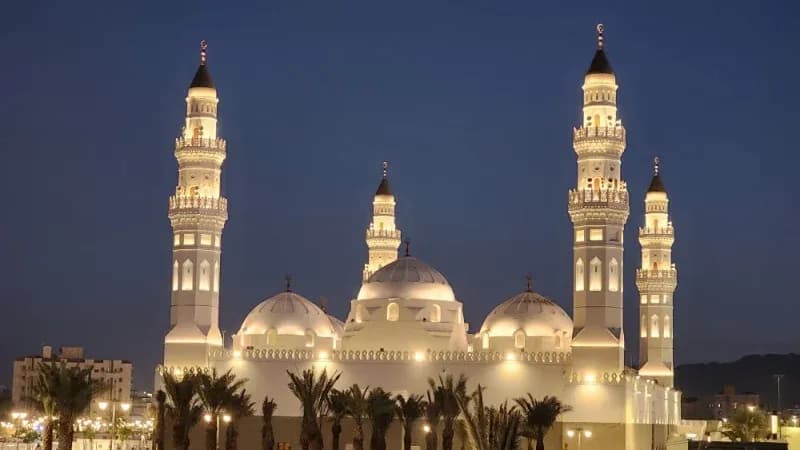
The idea of making Hijrah is a significant decision for many Muslims seeking to live in a society aligned with their faith. However, social media and public discourse often cloud this topic with misconceptions and emotional opinions. This blog post aims to clarify some of these misunderstandings by sharing insights from lived experience and addressing common concerns raised by critics. We will explore cultural respect, safety, political realities, and the diversity of the Muslim world, providing a well-rounded view for those considering Hijrah, in sha Allah.
Understanding the Context of Hijrah
The Importance of Background Knowledge
When discussing Hijrah, it is crucial to understand that opinions are often shaped by unseen experiences and backgrounds. Many comments on social platforms lack context, which leads to misleading generalizations. For example, communities from Central Asia such as those from Kazakhstan, Uzbekistan, and Kyrgyzstan are known for their warrior spirit and high respect culture, traits that influence their interactions and societal norms. This respect often translates into a low tolerance for disrespect, creating safer and more harmonious environments.
The Warrior Spirit and Respect Culture
In many Muslim societies, respect is not just a social nicety but a deeply ingrained cultural value. This is especially true in regions with a warrior heritage, where honor and dignity are paramount. People from these backgrounds are known to stand up for themselves and others, and you rarely find public disrespect or hateful comments within these communities. This culture of respect plays a vital role in maintaining social order and personal safety.
Addressing Common Misconceptions About the Muslim World
Misconception 1: Avoiding the Word "Israel" or "Zionist State"
Critics often accuse those promoting Hijrah of avoiding direct mention of Israel or the Zionist state. However, the discussion is generally about Muslim countries with political stances that might not align with Islamic values. The conversation is not about Palestine specifically but about political environments in various countries. Moreover, many Muslims refer to the region as Palestine as a form of solidarity. This reflects a profound emotional and political stance rather than fear or avoidance.
Reality on the Ground: Open Sentiments and Activism
Contrary to claims that Muslims avoid discussing Israel or Palestine, there is actually widespread and open support for Palestine in the Muslim world. Boycotts of businesses supporting the occupation, street protests, and vocal opposition are common in many Muslim countries, including Malaysia and others. This active stance illustrates that fear or silence is not the issue; rather, the discourse is shaped by local realities and sensitivities.
Safety and Rights in the Muslim World
Is It Haram to Recommend Hijrah?
Some argue that recommending migration to certain Muslim countries is harmful or even Haram (forbidden) because of alleged risks to life, lack of rights, and oppression. This perspective deserves careful examination. Declaring something Haram is a serious religious ruling and should not be used lightly. It is essential to distinguish between personal opinions, political activism, and the experience of law-abiding residents or visitors.
Personal Safety Compared: Muslim World vs. Western Countries
From personal experience spanning over two decades, life in many Muslim countries has been safer than in some Western cities. There were incidents involving gun violence in the United States, including shootings near family members, which contrasted with a lack of such threats in Muslim countries. While no place is entirely free from danger, the Muslim world generally offers a more secure environment for families and individuals living lawfully.
Rights of Residents and Visitors
Critics claim that migrants have no rights and face confiscation of property or unlawful danger. However, many Muslim countries have legal protections for residents and visitors, including foreign nationals. Police and legal authorities often side with victims of crime, and disputes involving foreigners are taken seriously. While abuses may occur occasionally, they are not widespread or systemic to the degree sometimes suggested.
Misunderstandings About Oppression and Respect
Is Oppression the General Rule?
The assertion that oppression is the norm in Muslim countries is overly simplistic and unfair. Like any region, the Muslim world has political challenges, but to label the entire region as oppressive ignores the diversity and complexity of societies. Moreover, when compared to historical and ongoing oppression in Western countries, such as systemic racism, slavery, and mass incarceration, the Muslim world’s realities are far more nuanced.
Respect for Life and Property
Respect for human life and property is deeply embedded in Islamic teachings and reflected in many Muslim societies. Stories of trust, such as leaving valuables unattended and finding them unmolested the next day, demonstrate the level of integrity present in some communities. Furthermore, compassion extends beyond humans to animals, with examples of care for stray cats and dogs illustrating the cultural respect for life.
The Diversity and Appeal of the Muslim World
Wide Range of Lifestyles and Opportunities
The Muslim world is vast and diverse, offering a variety of living environments to suit different preferences. Whether one seeks a simple rural lifestyle or the hustle and bustle of a modern city with strong infrastructure and internet connectivity, there are options available. This flexibility makes Hijrah appealing to a broad spectrum of people.
Overcoming Stereotypes
Many Western narratives depict the Muslim world as backward or uncivilized. However, these stereotypes ignore the reality that many Muslim countries combine rich cultural heritage with modern amenities and strong community values. Visitors and migrants often find themselves pleasantly surprised by the hospitality, safety, and opportunities available.
Practical Guidance and Resources for Those Considering Hijrah
The Importance of Informed Decisions
Making Hijrah is a life-changing choice that requires careful research and understanding. Reliable information about the political climate, social norms, legal environment, and economic opportunities is essential. This enables prospective migrants to choose the best destination for their needs and ensures smoother transitions.
Recommended Resources
Books and guides, such as the "Hijrah Handbook," compile years of experience and practical advice for migrants, covering financial sustainability, building community networks, and legal residency processes across multiple Muslim countries. Utilizing such resources can empower migrants to make sound decisions and thrive abroad.
Conclusion
Hijrah to the Muslim world is a profound journey that carries both spiritual and practical significance. While social media debates often distort realities with exaggerations or incomplete information, firsthand experience paints a different picture, which is one where respect, safety, and community remain strong pillars. The Muslim world offers diverse opportunities for those seeking a life aligned with Islamic values, with many societies deeply rooted in respect for life, property, and dignity.
For anyone considering Hijrah, it is vital to look beyond media stereotypes and seek authentic knowledge from those who live and understand the Muslim world. With proper preparation and support, migrating to a Muslim country can be a rewarding and enriching experience.