
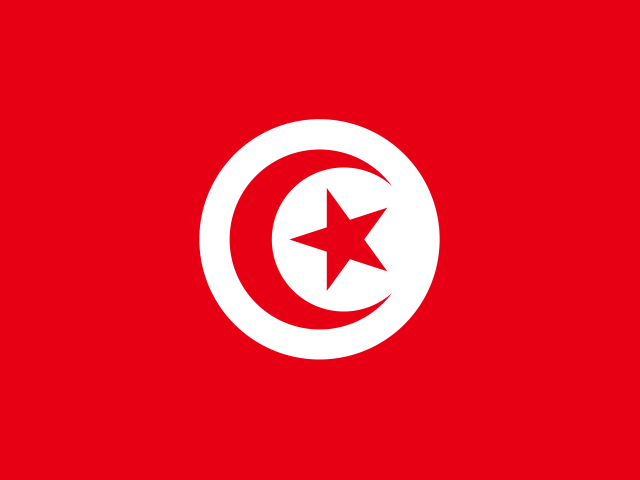
 Tunisia
Country basics
Tunisia is the northernmost African republic, on the Mediterranean between Algeria and Libya.
Tunisia is a republic with Tunis as its capital and Arabic as its official language, with French widely used in business. The dinar is the currency, and textiles, electrical parts, olive oil, phosphates and tourism lead its earnings.
Official name
Republic of TunisiaRegion
Africa · Northern AfricaGovernment
Unitary presidential republicTime zonesCheck the offset for your own city
UTC+01:00Driving side
RightPhone code
+216Currency
Tunisian dinar (TND, د.ت)Member of
Arab League; UN; African UnionWebsite
https://www.pm.gov.tnFaith and language
Religions
Muslim (official; Sunni) 99%, other (includes Christian, Jewish, Shia Muslim, and Baha'i) <1%Languages
ArabicPeople and cities
Population
12.0 million (current)Median ageHalf the population is younger than this
34.1 years (2025)Living in cities
70.5% (2023)Largest cities
Tunis (capital) 2.475 millionMoney and cost of living
Exchange rateYearly average; check today’s rate before you budget
3.11 Tunisian dinars (TND) per US dollar (2024)Income per personGDP per person, adjusted for local prices (2021 dollars)
$12,700 (2024)InflationHow much prices rose over the year
7.2% (2024)Unemployment
16.3% (2024)Spent on foodShare of an average household’s spending
22.3% (2023)Health and daily life
Life expectancy
77.3 years (2024)Doctors
1.32 per 1,000 people (2021)Hospital beds
2.4 per 1,000 people (2021)Safe drinking water
97.2% of people (2022)Electricity
100% of people (2022)Internet users
72% of people (2023)Literacy
86.2% of adults (2023)Land and climate
Climate
Temperate in north with mild, rainy winters and hot, dry summers; desert in southSizeSlightly larger than Georgia
163,610 sq kmNatural hazards
Flooding; earthquakes; droughtsNational holiday
Independence Day, 20 March (1956); Revolution and Youth Day, 14 January (2011)